The Company Behind Mechanical Medicine

The Company Behind Mechanical Medicine

Lahara Bio is commercializing a twenty-year research program in Low-Intensity Vibration (LIV), translating fundamental mechanobiology into therapeutic devices for patients who can't benefit from exercise alone.

Lahara Bio is commercializing a twenty-year research program in Low-Intensity Vibration (LIV), translating fundamental mechanobiology into therapeutic devices for patients who can't benefit from exercise alone.

Our History

How Lahara got started

How Lahara got started

A fundamental insight in mechanobiology led to two decades of research, and eventually, to our company.

A fundamental insight in mechanobiology led to two decades of research, and eventually, to our company.

The research behind Lahara Bio began with a simple observation: the body requires mechanical input to maintain itself. Remove it (through, illness, aging, or immobility) and tissues systemically decline.

The research behind Lahara Bio began with a simple observation: the body requires mechanical input to maintain itself. Remove it (through, illness, aging, or immobility) and tissues systemically decline.

The research behind Lahara Bio began with a simple observation: the body requires mechanical input to maintain itself. Remove it (through, illness, aging, or immobility) and tissues systemically decline.

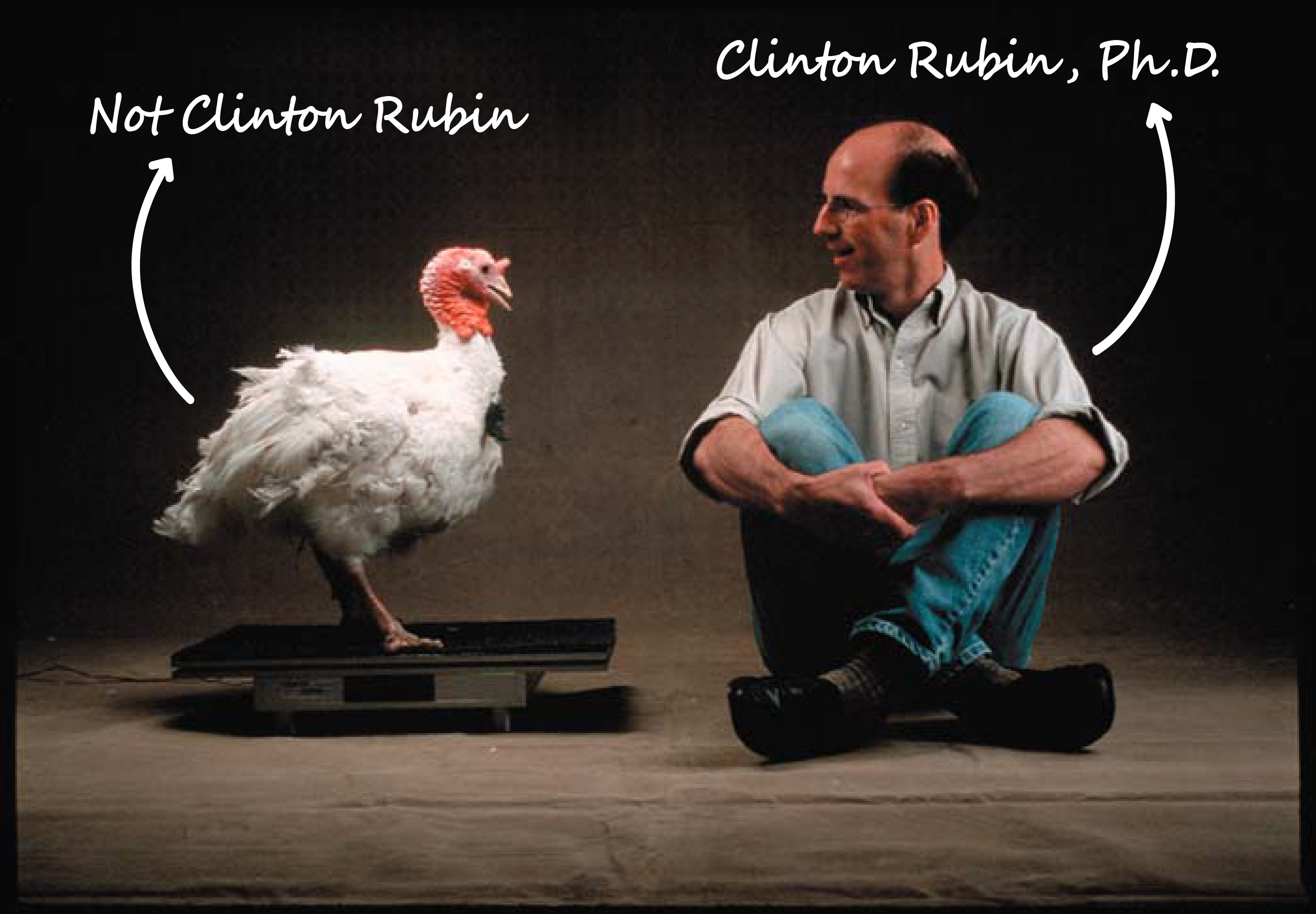
Clinton Rubin's laboratory at Stony Brook University spent twenty years proving that these signals could be delivered externally, gently, safely, and with broad biological effect. Lahara Bio exists to bring that science to patients.

Clinton Rubin's laboratory at Stony Brook University spent twenty years proving that these signals could be delivered externally, gently, safely, and with broad biological effect. Lahara Bio exists to bring that science to patients.

Science First

Built on 50+ peer-reviewed publications and 700+ patients across 12+ controlled clinical trials. Not a wellness device — a therapeutic platform.

Science First

Built on 50+ peer-reviewed publications and 700+ patients across 12+ controlled clinical trials. Not a wellness device — a therapeutic platform.

Platform, Not Product

LIV's multi-tissue mechanism supports expansion across oncology supportive care, musculoskeletal health, and metabolic disease.

Platform, Not Product

LIV's multi-tissue mechanism supports expansion across oncology supportive care, musculoskeletal health, and metabolic disease.

Why Now?

A rapidly aging population and growing understanding of the limits of pharmacology create a commercial window that didnt exist a decade ago.

Why Now?

A rapidly aging population and growing understanding of the limits of pharmacology create a commercial window that didnt exist a decade ago.

Milestones

20 years in the making

20 years in the making

20 years in the making

From university lab to clinical-stage therapeutics company.

2001

Mechanobiology Breakthrough

Rubin lab publishes landmark findings showing low-magnitude mechanical signals stimulate bone formation in animal models. NIH funding begins.

2001

Mechano-biology Breakthrough

Rubin lab publishes landmark findings showing low-magnitude mechanical signals stimulate bone formation in animal models. NIH funding begins.

2006

First Human Trials

Clinical trials demonstrate LIV improves bone density in children with cerebral palsy and postmenopausal women: the first proof that the signal works in humans.

2009

Stem Cell Discovery

PNAS publication shows LIV biases mesenchymal stem cell differentiation away from fat and toward bone, revealing the mechanism is cellular, not just structural.

2014

Multi-Tissue Expansion

Research expands beyond bone: studies show effects on adiposity, metabolism, and muscle function, establishing LIV as a multi-system intervention rather than a skeletal therapy alone.

2021

Entry into Oncology

Preclinical studies demonstrate that mechanical signals influence tumor biology — reducing cancer cell invasion and altering bone–tumor interactions.

2024

Lahara Bio Founded

Company formed to commercialize LIV as a regulated therapeutic platform. Initial focus placed on oncology supportive care, where mechanical stimulation can address treatment-related decline.

2025

First Clinical Signal in CIPN

Pilot clinical trial demonstrates that LIV improves neuropathy symptoms and physical function in cancer survivors, identifying CIPN as the lead indication.


2026

Clinical Advancement

Partnerships established with leading cancer centers. Regulatory strategy defined via FDA Breakthrough Device Designation. Development of pivotal clinical program begins.

Leadership

The team building Lahara Bio

Bridging foundational science and clinical commercialization.
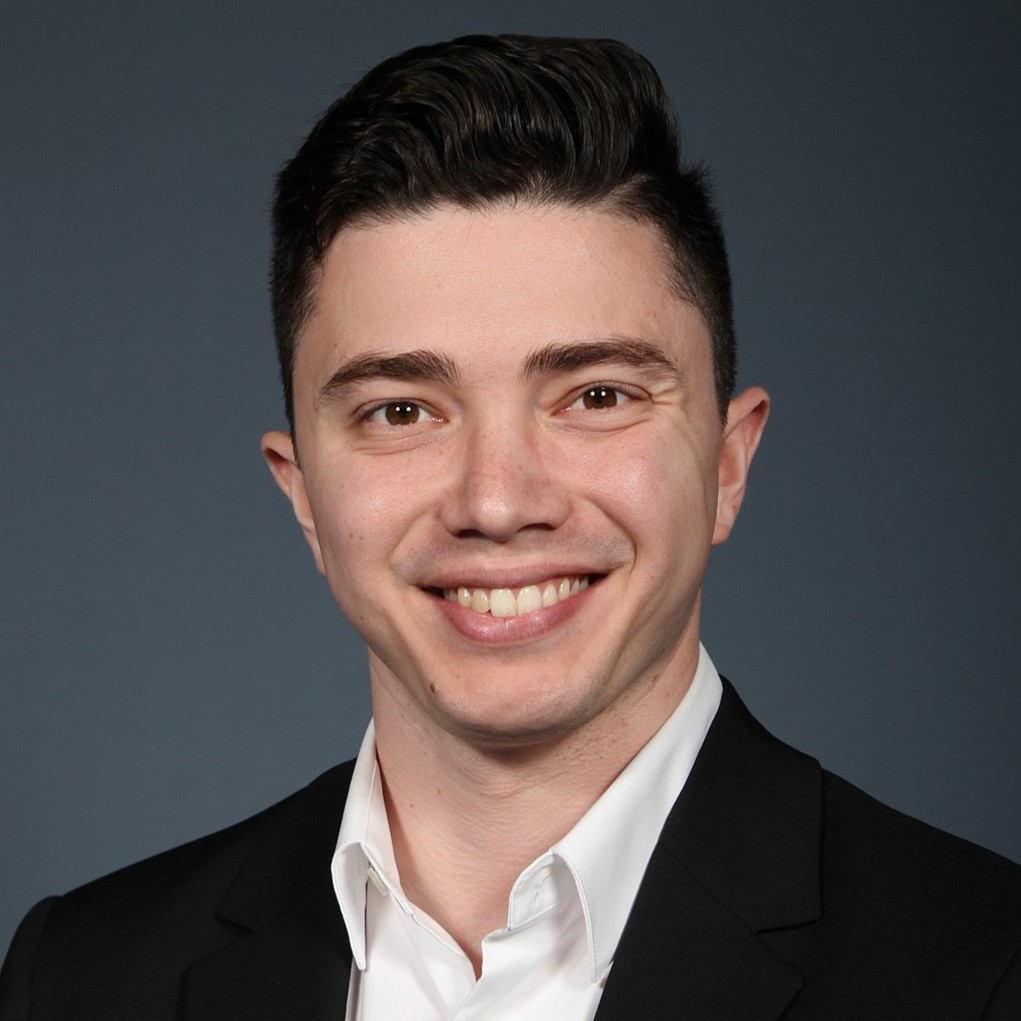
Chris Ashdown, MD/PhD

Co-Founder & CEO

Physician–scientist leading Lahara’s transition from academic research to a clinical-stage company, focused on regulatory strategy, fundraising, and oncology applications.

Clinton Rubin, PhD

Co-Founder & CSO

SUNY Distinguished Professor and pioneer of low-intensity vibration, with decades of NIH-funded research, 300+ publications in mechanobiology, and 3 prior succesful exits from academic spinouts..
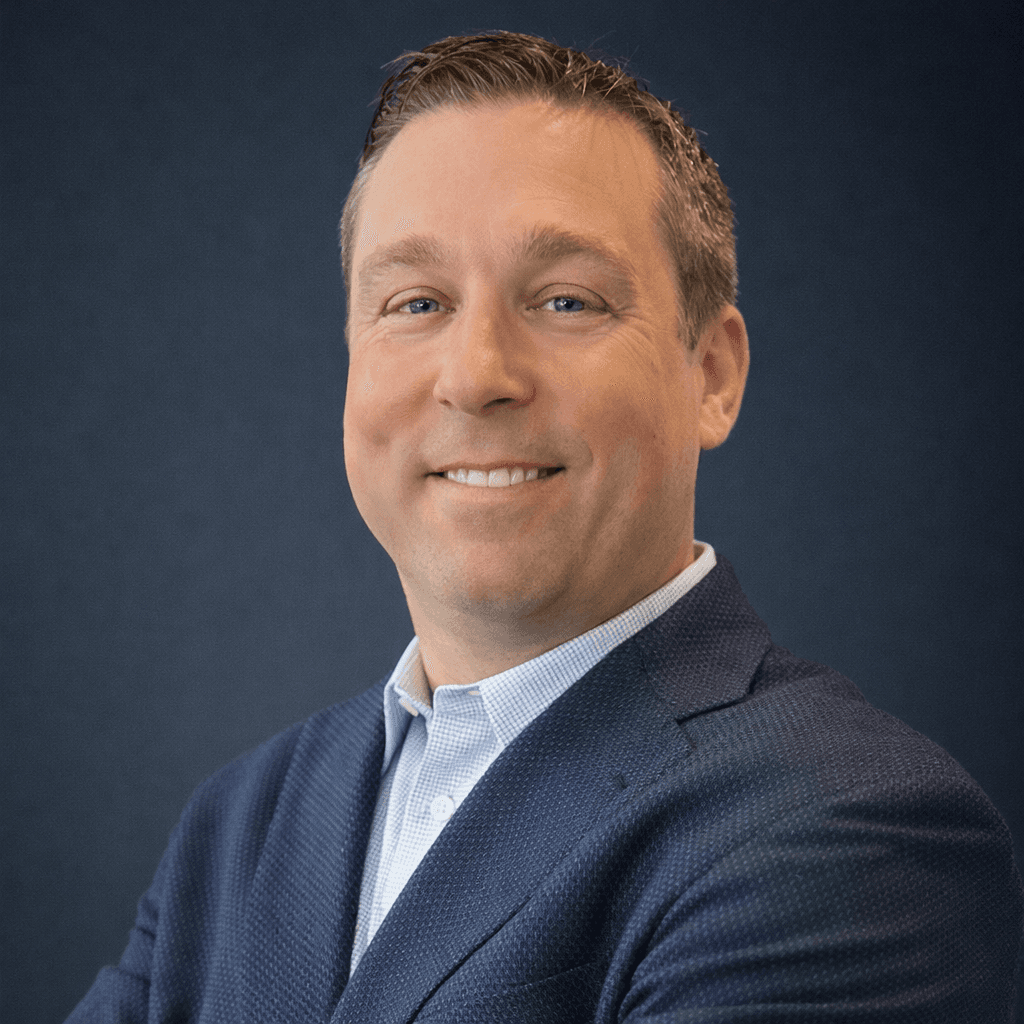
Mike Bielski, MBA

Strategic Advisor

Biotech operator and entrepreneur with experience founding 6 companies and raising $75M+ in venture funding. Brings expertise in company formation, IP strategy, and partnerships to Lahara Bio.

Clinical and Academic Partners

Collaborating with leading institutions.

Our clinical and research programs are conducted in partnership with top-tier academic medical centers.