
The Science of Low Intensity Vibration
The Science of Low Intensity Vibration
Mechanical signals regulate every tissue in the body. Lahara Bio is using Low Intensity Vibration (LIV) to harness that biology to deliver the therapeutic effects of exercise, without movement, drugs, or side effects.
Mechanical signals regulate every tissue in the body. Lahara Bio is using Low Intensity Vibration (LIV) to harness that biology to deliver the therapeutic effects of exercise, without movement, drugs, or side effects.
Background
Mechanical Signals Effect Biology
Mechanical Signals Effect Biology
Mechanical signaling is a fundamental and widely conserved regulator of cellular behavior across tissues.
Mechanical signaling is a fundamental and widely conserved regulator of cellular behavior across tissues.
What is Mechanobiology?
Biology is not governed by chemistry alone. Physical forces continuously influence how cells and tissues behave, coordinating signaling and function across systems. Despite this, therapeutic development has largely ignored this layer of control, leaving a clear opportunity to intervene through mechanical inputs.
Biology is not governed by chemistry alone. Physical forces continuously influence how cells and tissues behave, coordinating signaling and function across systems. Despite this, therapeutic development has largely ignored this layer of control, leaving a clear opportunity to intervene through mechanical inputs.
Mechanistically Grounded
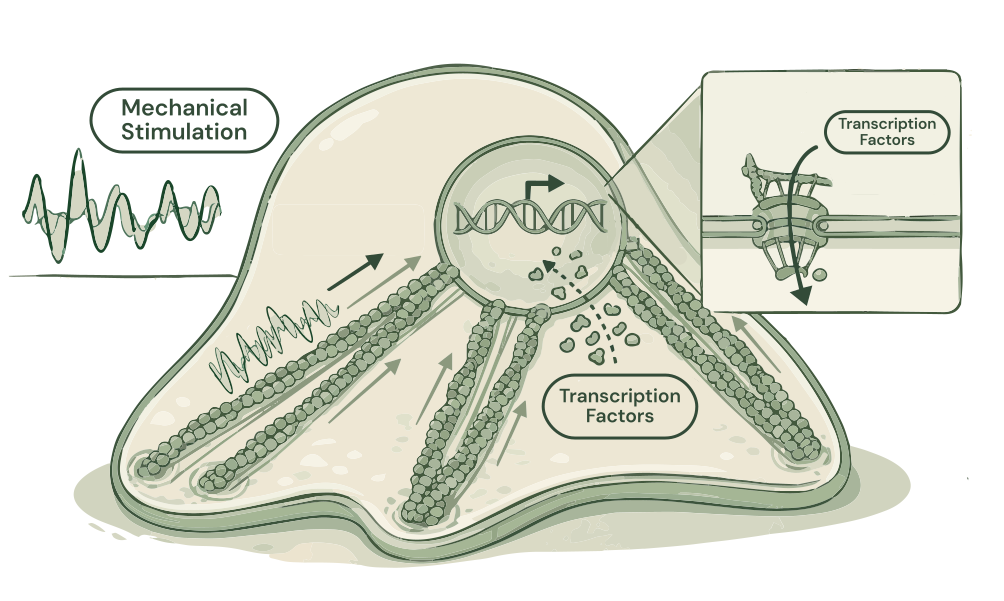
Mechanical inputs are sensed through conserved cellular structures, including the cytoskeleton, integrins, and ion channels, and translated into signaling pathways that regulate cell behavior and gene expression.
Mechanistically Grounded
Mechanical inputs are sensed through conserved cellular structures, including the cytoskeleton, integrins, and ion channels, and translated into signaling pathways that regulate cell behavior and gene expression.
Broadly Distributed Across Biology
Mechanosensitive processes are active across nearly all cell types, including bone, muscle, immune, neural, and epithelial systems, where physical forces contribute to regulation, adaptation, and disease.
Broadly Distributed Across Biology
Mechanosensitive processes are active across nearly all cell types, including bone, muscle, immune, neural, and epithelial systems, where physical forces contribute to regulation, adaptation, and disease.
Our Technology
Low Intensity Vibration (LIV)
Low Intensity Vibration (LIV)
Low Intensity Vibration (LIV)
PLATFORM
One Therapy, Many Indications for Use
Mechanobiology throughout the body
Low Intensity Vibration (LIV) is a tunable mechanotherapy platform that leverages conserved cellular responses to mechanical stimuli to modulate biological function. By adjusting signal parameters such as frequency and acceleration, LIV can be optimized across tissues and disease contexts.
MECHANISM
Evolutionarily Conserved
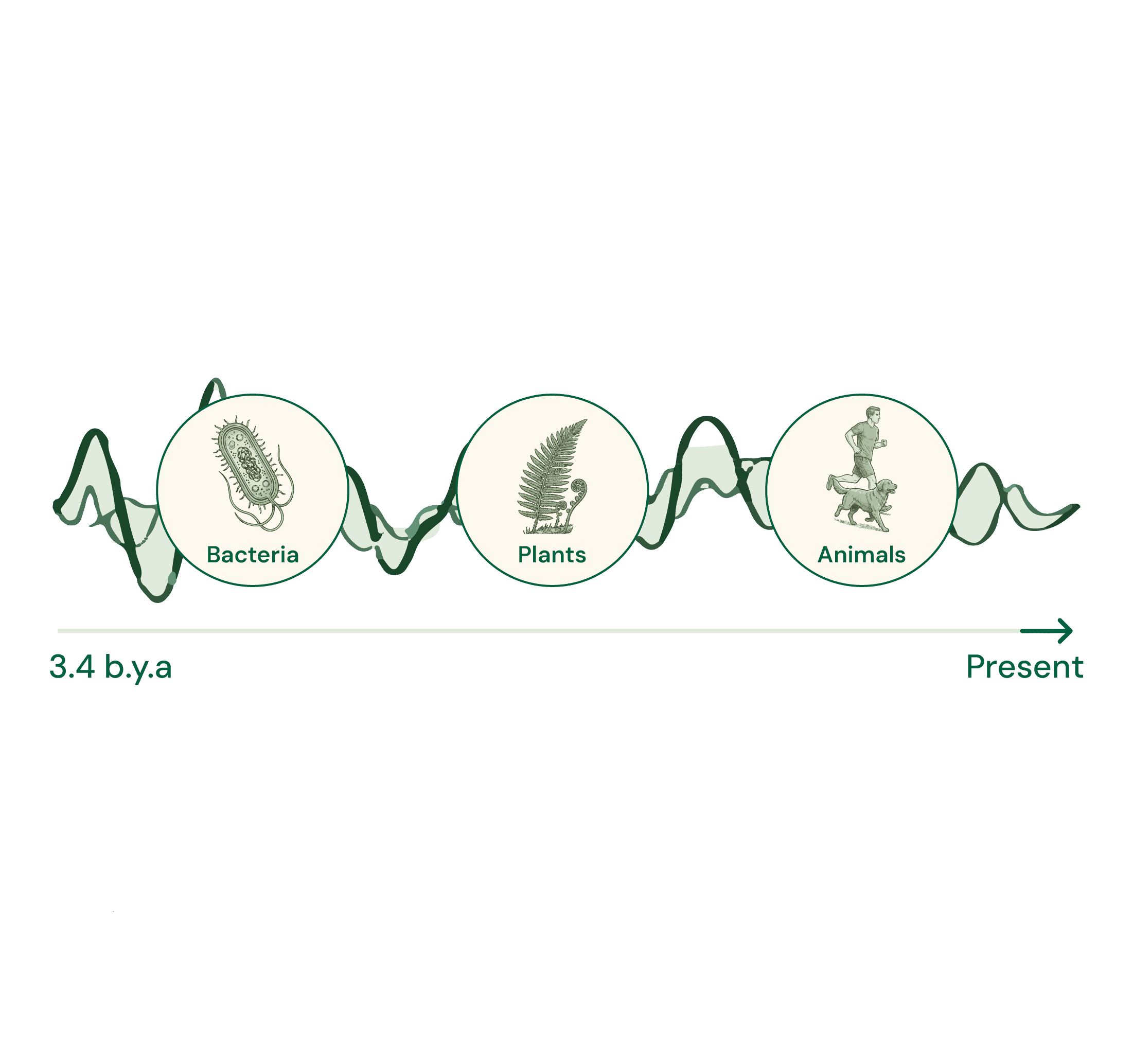
Mechanotransduction pathways active for 3.4 billion years
LIV activates conserved mechanotransduction pathways, including cytoskeletal remodeling, focal adhesion signaling, and downstream regulators such as AKT and β-catenin. These pathways influence cell proliferation, differentiation, and functional activation across multiple cell types.
SAFETY
Proven Safety
Validated in the most vulnerable populations
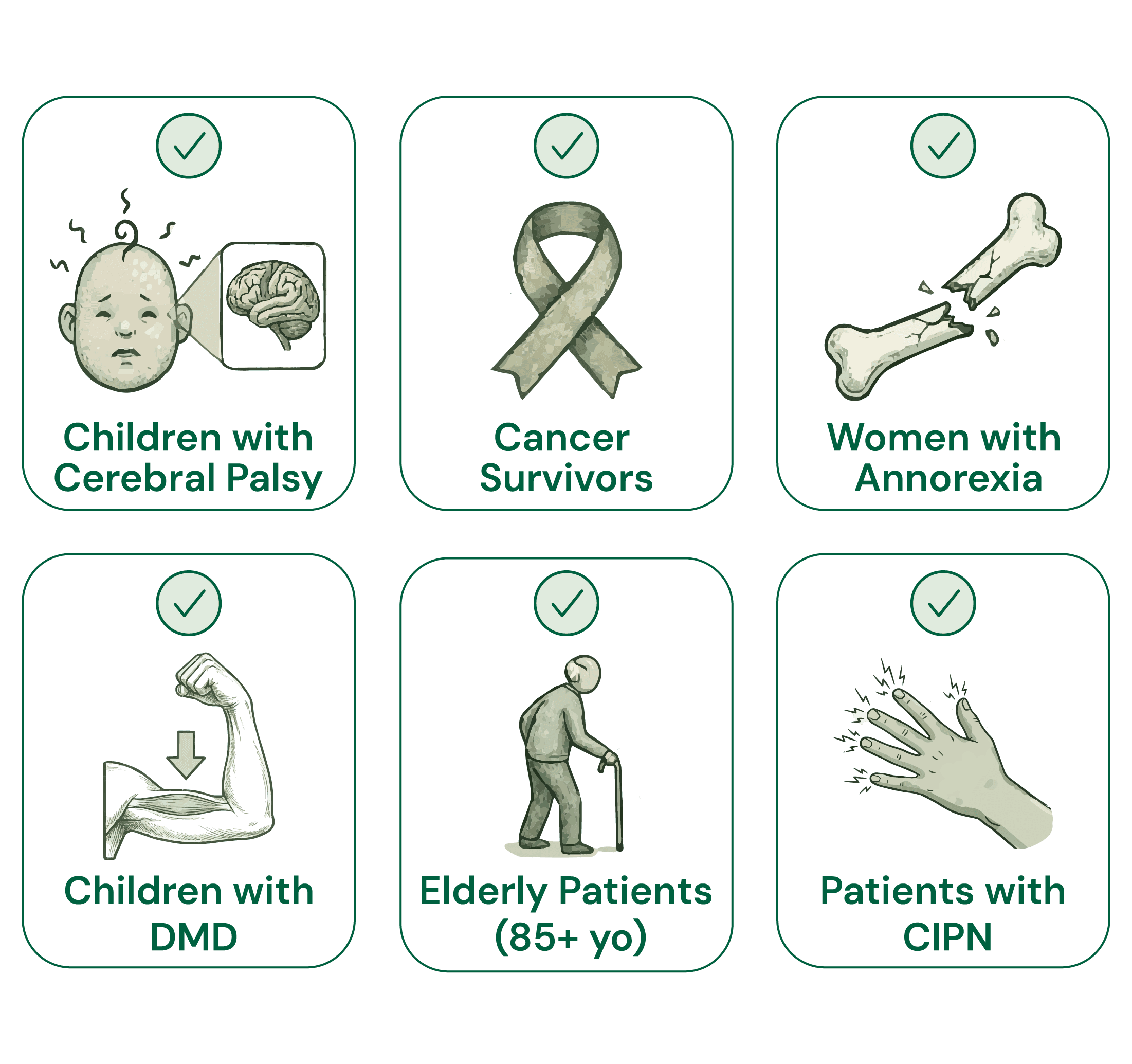
LIV has been evaluated across numerous clinical studies, including elderly and medically vulnerable populations, with no reported serious adverse events. The technology operates within established ISO safety standards and has been classified as a non-significant risk (NSR) device.
DELIVERY
Easy to Use
Designed for real patients in real settings
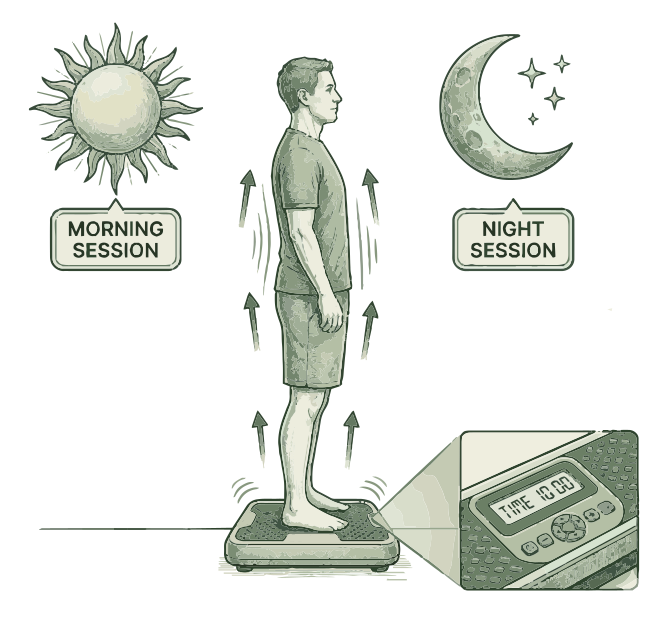
LIV is delivered through a compact platform that efficiently transmits low-magnitude mechanical signals throughout the body. Short daily sessions (10-20 minutes) enable scalable use in both clinical and home settings while supporting systemic biological engagement.
PLATFORM
One Device, many indications for use
Mechanobiology throughout the body
Low Intensity Vibration (LIV) is a tunable mechanotherapy platform that leverages conserved cellular responses to mechanical stimuli to modulate biological function. By adjusting signal parameters such as frequency and acceleration, LIV can be optimized across tissues and disease contexts.
SAFETY
Proven Safety
Validated in the most vulnerable populations
LIV has been evaluated across numerous clinical studies, including elderly and medically vulnerable populations, with no reported serious adverse events. The technology operates within established ISO safety standards and has been classified as a non-significant risk (NSR) device.
MECHANISM
Evolutionarily Conserved
Mechanotransduction pathways active for 3.4 billion years
LIV activates conserved mechanotransduction pathways, including cytoskeletal remodeling, focal adhesion signaling, and downstream regulators such as AKT and β-catenin. These pathways influence cell proliferation, differentiation, and functional activation across multiple cell types.
DELIVERY
Easy to Use
Designed for real patients in real settings
LIV is delivered through a compact platform that efficiently transmits low-magnitude mechanical signals throughout the body. Short daily sessions (10-20 minutes) enable scalable use in both clinical and home settings while supporting systemic biological engagement.
PLATFORM
One Device, many indications for use
Mechanobiology throughout the body
Low Intensity Vibration (LIV) is a tunable mechanotherapy platform that leverages conserved cellular responses to mechanical stimuli to modulate biological function. By adjusting signal parameters such as frequency and acceleration, LIV can be optimized across tissues and disease contexts.
SAFETY
Proven Safety
Validated in the most vulnerable populations
LIV has been evaluated across numerous clinical studies, including elderly and medically vulnerable populations, with no reported serious adverse events. The technology operates within established ISO safety standards and has been classified as a non-significant risk (NSR) device.
MECHANISM
Evolutionarily Conserved
Mechanotransduction pathways active for 3.4 billion years
LIV activates conserved mechanotransduction pathways, including cytoskeletal remodeling, focal adhesion signaling, and downstream regulators such as AKT and β-catenin. These pathways influence cell proliferation, differentiation, and functional activation across multiple cell types.
DELIVERY
Easy to Use
Designed for real patients in real settings
LIV is delivered through a compact platform that efficiently transmits low-magnitude mechanical signals throughout the body. Short daily sessions (10-20 minutes) enable scalable use in both clinical and home settings while supporting systemic biological engagement.
A Critical Difference
LIV is not Whole Body Vibration (WBV)
LIV is not Whole Body Vibration (WBV)
Same word. Completely different science. LIV has fundamentally distinct mechanisms of action from WBV and is backed by real science.
Same word. Completely different science. LIV has fundamentally distinct mechanisms of action from WBV and is backed by real science.
CONVENTIONAL
Whole Body Vibration
Non-physiologic wellness devices
>8g acceleration
Minutes per day maximum
Not safe for frail patients
Risk of adverse effects
No standardized signal
OUR TECHNOLOGY
Low Intensity Vibration
Targeted science backed intervention
<0.5g acceleration
Safe for 8+ hours of daily use
Unsupervised at home
Zero serious adverse events
20+ years NIH-funded research
20+ years of evidence
Clinical Evidence
LIV is proven in the clinic
LIV is proven in the clinic
Clinical studies have shown that low-intensity vibration is safe and effective across multiple patient populations, with improvements in musculoskeletal health, functional outcomes, and quality of life.
Aging / Osteoporosis
LIV is safe, well-tolerated, and highly adherent in elderly populations
In a 2-year randomized, placebo-controlled trial of 174 adults (mean age 82), daily LIV (0.3g, 37 Hz) achieved ~70% adherence with no safety concerns, but did not produce significant differences in hip or spine volumetric BMD or bone turnover markers, suggesting reduced mechanosensitivity in advanced aging.
Journal of Bone and Mineral Research, 2015
DMD
LIV preserved bone and prevented fractures in Duchenne muscular dystrophy
In a 14-month randomized controlled trial, LIV (0.4g, 30 Hz) maintained hip BMD and trabecular bone density while placebo patients declined, with 0% fracture incidence in LIV vs. 30% in controls, alongside improved fat accumulation profiles.
JBMR Plus, 2022
Anorexia Nervosa
LIV Improves bone structure in young women with Anorexia Nervosa
In a 6-month randomized clinical trial in adolescents with anorexia nervosa, LIV (0.3g, ~30–37 Hz) did not improve trabecular vBMD but significantly increased tibial bone cross-sectional area, indicating early structural adaptation prior to measurable density changes.
JAMA Network Open, 2024
CIPN
LIV improved neuropathy symptoms and physical function in cancer survivors
In a 12-week randomized pilot trial, twice-daily LIV (30 Hz, 0.4g) improved sensory neuropathy symptoms and lower extremity function with effect sizes up to d = 0.80, alongside measurable gains in mobility, gait, and balance, with no serious adverse events.
JCO Oncology Practice, 2025
Muscle Atrophy
LIV preserved postural stability during prolonged bed rest
In a 90-day bed rest study, daily LIV exposure maintained neuromuscular control, with treated subjects showing 73% better retention of stability and 97% lower increases in sway velocity vs. control, indicating preservation of balance under extreme inactivity.
Journal of Applied Physiology, 2007
Oncology
LIV increased total body bone mineral density in childhood cancer survivors
n a 12-month double-blind randomized controlled trial, LIV (0.3g, 32–37 Hz) increased total body BMD Z-score by +0.25 vs. −0.19 in placebo (p=0.05), with adherent patients (≥70%) showing +11.2% increases in tibial trabecular bone vs. −1.3% in low-adherence subjects, alongside correlations between osteocalcin and BMD change.
JAMA Oncology, 2016
Aging / Fall Prevention
LIV reduced falls and improved function in large RCT of elderly adults
In an 18-month RCT of 710 postmenopausal women, daily LIV (35 Hz, 0.3g) reduced fall or fracture incidence from 28.7% to 18.6% (HR=0.56, p=0.001), with a 46% lower fall rate, alongside significant improvements in quadriceps strength, reaction time, and balance, with no serious adverse events.
Osteoporosis International, 2014
CIPN
LIV improved neuropathy symptoms and physical function in cancer survivors
In a 12-week randomized pilot trial, twice-daily LIV (30 Hz, 0.4g) improved sensory neuropathy symptoms and lower extremity function with effect sizes up to d = 0.80, alongside measurable gains in mobility, gait, and balance, with no serious adverse events.
JCO Oncology Practice, 2025
Oncology
LIV increased total body bone mineral density in childhood cancer survivors
n a 12-month double-blind randomized controlled trial, LIV (0.3g, 32–37 Hz) increased total body BMD Z-score by +0.25 vs. −0.19 in placebo (p=0.05), with adherent patients (≥70%) showing +11.2% increases in tibial trabecular bone vs. −1.3% in low-adherence subjects, alongside correlations between osteocalcin and BMD change.
JAMA Oncology, 2016
Aging / Fall Prevention
LIV reduced falls and improved function in large RCT of elderly adults
In an 18-month RCT of 710 postmenopausal women, daily LIV (35 Hz, 0.3g) reduced fall or fracture incidence from 28.7% to 18.6% (HR=0.56, p=0.001), with a 46% lower fall rate, alongside significant improvements in quadriceps strength, reaction time, and balance, with no serious adverse events.
Osteoporosis International, 2014
Muscle Atrophy
LIV preserved postural stability during prolonged bed rest
In a 90-day bed rest study, daily LIV exposure maintained neuromuscular control, with treated subjects showing 73% better retention of stability and 97% lower increases in sway velocity vs. control, indicating preservation of balance under extreme inactivity.
Journal of Applied Physiology, 2007
Aging / Osteoporosis
LIV is safe, well-tolerated, and highly adherent in elderly populations
In a 2-year randomized, placebo-controlled trial of 174 adults (mean age 82), daily LIV (0.3g, 37 Hz) achieved ~70% adherence with no safety concerns, but did not produce significant differences in hip or spine volumetric BMD or bone turnover markers, suggesting reduced mechanosensitivity in advanced aging.
Journal of Bone and Mineral Research, 2015
DMD
LIV preserved bone and prevented fractures in Duchenne muscular dystrophy
In a 14-month randomized controlled trial, LIV (0.4g, 30 Hz) maintained hip BMD and trabecular bone density while placebo patients declined, with 0% fracture incidence in LIV vs. 30% in controls, alongside improved fat accumulation profiles.
JBMR Plus, 2022
Anorexia Nervosa
LIV mproves bone structure in young women with Anorexia Nervosa
In a 6-month randomized clinical trial in adolescents with anorexia nervosa, LIV (0.3g, ~30–37 Hz) did not improve trabecular vBMD but significantly increased tibial bone cross-sectional area, indicating early structural adaptation prior to measurable density changes.
JAMA Network Open, 2024
Robust Evidence
Sham-controlled trials across diverse, medically complex patient populations with consistently positive outcomes and zero serious adverse events.
Robust Evidence
Sham-controlled trials across diverse, medically complex patient populations with consistently positive outcomes and zero serious adverse events.
Multi-System Effects
Clinical improvements observed across bone density, muscle preservation, neuropathy symptoms, and mobility, from a single mechanical intervention.
Multi-System Effects
Clinical improvements observed across bone density, muscle preservation, neuropathy symptoms, and mobility, from a single mechanical intervention.
Safe for the Most Vulnerable
Tested in children, cancer patients, frail elderly, and immunocompromised populations, the patients most other therapies exclude.
Safe for the Most Vulnerable
Tested in children, cancer patients, frail elderly, and immunocompromised populations, the patients most other therapies exclude.
Preclinical Evidence
The mechanism behind the outcomes.
The mechanism behind the outcomes.
The clinical results don't surprise us. We've conducted decades of preclinical science that explain exactly what we see in patients.
This body of preclinical evidence highlights the translational potential of mechanical stimulation as a therapeutic modality.
The clinical results don't surprise us. We've conducted decades of preclinical science that explain exactly what we see in patients.
Obesity
Mechanical signals shift stem cells toward bone and away from fat
In high-fat-fed mice, 6 weeks of LMMS increased the marrow stem cell pool by 37% and mesenchymal stem cells by 46%, increased Runx2 by 72%, decreased PPARγ by 27%, and by 14 weeks reduced visceral fat by 28% while increasing tibial trabecular bone volume fraction by 11%.
Journal of Bone and Mineral Research, 2009
Obesity
Brief daily LIV suppressed fatty liver progression in obese aging mice
After 36 weeks of treatment, LMMS lowered liver mass by 29%, reduced liver triglyceride concentration by 27%, cut total liver triglyceride burden by 46%, and reduced macrovesicular lipid area by 49% in high-fat-fed mice.
International Journal of Obesity, 2010
Oncology
LIV reduces ovarian cancer burden and metastasis while preserving bone
In a spontaneous ovarian cancer model followed for 1 year, LIV did not worsen survival, increased proximal tibial bone volume by 25% and L5 vertebral bone volume by 16%, while overall tumor incidence trended ~30% lower and multi-organ disease burden trended ~45% lower.
Bone, 2012
Muscle
LIV enhanced muscle force and neuromuscular performance
In mice, LIV increased semitendinosus isometric force overall in both young and aged animals, with force increases up to 10-fold and 29-fold at high stimulation frequencies in young mice, plus a 1.2-fold increase in evoked neurotransmitter release and a 1.1-fold increase in grip strength on day 1.
Journal of Biomechanics, 2014
Sarcopenia
LIV protected muscle stem cell pools and reduced fat-related gene activation
In ovariectomized mice, LIV limited the rise in total adiposity to 21% versus 43% in OVX controls and visceral adiposity to 70% versus 125%, while also mitigating losses in total satellite cells and reserve satellite cells, which fell 21% and 28% in OVX animals.
Journal of Applied Physiology, 2015
Oncology
LIV reduces breast cancer invasion and osteolytic signaling
In MDA-MB-231 breast cancer cells, twice-daily LIV reduced invasion by 67%, suppressed MMP1 by 66%, reduced PTHLH by 83%, lowered IL-11 by 67%, and conditioned media from LIV-treated cancer cells reduced osteoclast resorption pit area by about 99%.
Bone Research, 2020
sarcopenia
Vibration preserved neuromuscular junction integrity during sarcopenia onset
In SAMP8 mice, NMJ degeneration appeared before overt sarcopenia, and LMHFV improved muscle performance by month 4, improved NMJ function at months 2 and 6, and attenuated morphological degeneration at month 4, with evidence that Dok7 was increased through ERK1/2-related signaling.
Aging Cell, 2024
Musculoskeletal
LIV plus ZA improved bone strength and reduced musculoskeletal decline
In complete estrogen deprivation models, LIV increased lean mass, myofiber CSA, grip strength, and lowered fat mass in younger mice, while in skeletally mature mice the LIV+zoledronic acid combination increased vertebral trabecular bone, improved cortical thickness and fracture resistance, and raised L5 ultimate force by 43% versus ZA alone.
Nature Communications, 2025
Oncology
LIV suppressed myeloma tumor burden and protected bone integrity
In a murine multiple myeloma model, tumor burden in the femur dropped from ~35% marrow involvement to ~21% with LIV (about a 40% reduction), while trabecular bone volume (BV/TV) increased ~72% versus diseased controls and cortical bone loss was significantly mitigated.
Bone, 2016
Obesity
Mechanical signals shift stem cells toward bone and away from fat
In high-fat-fed mice, 6 weeks of LMMS increased the marrow stem cell pool by 37% and mesenchymal stem cells by 46%, increased Runx2 by 72%, decreased PPARγ by 27%, and by 14 weeks reduced visceral fat by 28% while increasing tibial trabecular bone volume fraction by 11%.
Journal of Bone and Mineral Research, 2009
Obesity
Brief daily LIV suppressed fatty liver progression in obese aging mice
After 36 weeks of treatment, LMMS lowered liver mass by 29%, reduced liver triglyceride concentration by 27%, cut total liver triglyceride burden by 46%, and reduced macrovesicular lipid area by 49% in high-fat-fed mice.
International Journal of Obesity, 2010
Oncology
LIV reduces ovarian cancer burden and metastasis while preserving bone
In a spontaneous ovarian cancer model followed for 1 year, LIV did not worsen survival, increased proximal tibial bone volume by 25% and L5 vertebral bone volume by 16%, while overall tumor incidence trended ~30% lower and multi-organ disease burden trended ~45% lower.
Bone, 2012
Muscle
LIV enhanced muscle force and neuromuscular performance
In mice, LIV increased semitendinosus isometric force overall in both young and aged animals, with force increases up to 10-fold and 29-fold at high stimulation frequencies in young mice, plus a 1.2-fold increase in evoked neurotransmitter release and a 1.1-fold increase in grip strength on day 1.
Journal of Biomechanics, 2014
Sarcopenia
LIV protected muscle stem cell pools and reduced fat-related gene activation
In ovariectomized mice, LIV limited the rise in total adiposity to 21% versus 43% in OVX controls and visceral adiposity to 70% versus 125%, while also mitigating losses in total satellite cells and reserve satellite cells, which fell 21% and 28% in OVX animals.
Journal of Applied Physiology, 2015
Oncology
LIV reduces breast cancer invasion and osteolytic signaling
In MDA-MB-231 breast cancer cells, twice-daily LIV reduced invasion by 67%, suppressed MMP1 by 66%, reduced PTHLH by 83%, lowered IL-11 by 67%, and conditioned media from LIV-treated cancer cells reduced osteoclast resorption pit area by about 99%.
Bone Research, 2020
sarcopenia
Vibration preserved neuromuscular junction integrity during sarcopenia onset
In SAMP8 mice, NMJ degeneration appeared before overt sarcopenia, and LMHFV improved muscle performance by month 4, improved NMJ function at months 2 and 6, and attenuated morphological degeneration at month 4, with evidence that Dok7 was increased through ERK1/2-related signaling.
Aging Cell, 2024
Musculoskeletal
LIV plus ZA improved bone strength and reduced musculoskeletal decline
In complete estrogen deprivation models, LIV increased lean mass, myofiber CSA, grip strength, and lowered fat mass in younger mice, while in skeletally mature mice the LIV+zoledronic acid combination increased vertebral trabecular bone, improved cortical thickness and fracture resistance, and raised L5 ultimate force by 43% versus ZA alone.
Nature Communications, 2025
Oncology
LIV suppressed myeloma tumor burden and protected bone integrity
In a murine multiple myeloma model, tumor burden in the femur dropped from ~35% marrow involvement to ~21% with LIV (about a 40% reduction), while trabecular bone volume (BV/TV) increased ~72% versus diseased controls and cortical bone loss was significantly mitigated.
Bone, 2016
Oncology
LIV reduces ovarian cancer burden and metastasis while preserving bone
In a spontaneous ovarian cancer model followed for 1 year, LIV did not worsen survival, increased proximal tibial bone volume by 25% and L5 vertebral bone volume by 16%, while overall tumor incidence trended ~30% lower and multi-organ disease burden trended ~45% lower.
Bone, 2012
Oncology
LIV suppressed myeloma tumor burden and protected bone integrity
In a murine multiple myeloma model, tumor burden in the femur dropped from ~35% marrow involvement to ~21% with LIV (about a 40% reduction), while trabecular bone volume (BV/TV) increased ~72% versus diseased controls and cortical bone loss was significantly mitigated.
Bone, 2016
Oncology
LIV reduces breast cancer invasion and osteolytic signaling
In MDA-MB-231 breast cancer cells, twice-daily LIV reduced invasion by 67%, suppressed MMP1 by 66%, reduced PTHLH by 83%, lowered IL-11 by 67%, and conditioned media from LIV-treated cancer cells reduced osteoclast resorption pit area by about 99%.
Bone Research, 2020
Musculoskeletal
LIV plus ZA improved bone strength and reduced musculoskeletal decline
In complete estrogen deprivation models, LIV increased lean mass, myofiber CSA, grip strength, and lowered fat mass in younger mice, while in skeletally mature mice the LIV+zoledronic acid combination increased vertebral trabecular bone, improved cortical thickness and fracture resistance, and raised L5 ultimate force by 43% versus ZA alone.
Nature Communications, 2025
Obesity
Mechanical signals shift stem cells toward bone and away from fat
In high-fat-fed mice, 6 weeks of LMMS increased the marrow stem cell pool by 37% and mesenchymal stem cells by 46%, increased Runx2 by 72%, decreased PPARγ by 27%, and by 14 weeks reduced visceral fat by 28% while increasing tibial trabecular bone volume fraction by 11%.
Journal of Bone and Mineral Research, 2009
Obesity
Brief daily LIV suppressed fatty liver progression in obese aging mice
After 36 weeks of treatment, LMMS lowered liver mass by 29%, reduced liver triglyceride concentration by 27%, cut total liver triglyceride burden by 46%, and reduced macrovesicular lipid area by 49% in high-fat-fed mice.
International Journal of Obesity, 2010
Muscle
LIV enhanced muscle force and neuromuscular performance
In mice, LIV increased semitendinosus isometric force overall in both young and aged animals, with force increases up to 10-fold and 29-fold at high stimulation frequencies in young mice, plus a 1.2-fold increase in evoked neurotransmitter release and a 1.1-fold increase in grip strength on day 1.
Journal of Biomechanics, 2014
Sarcopenia
LIV protected muscle stem cell pools and reduced fat-related gene activation
In ovariectomized mice, LIV limited the rise in total adiposity to 21% versus 43% in OVX controls and visceral adiposity to 70% versus 125%, while also mitigating losses in total satellite cells and reserve satellite cells, which fell 21% and 28% in OVX animals.
Journal of Applied Physiology, 2015
Oncology
LIV reduces ovarian cancer burden and metastasis while preserving bone
In a spontaneous ovarian cancer model followed for 1 year, LIV did not worsen survival, increased proximal tibial bone volume by 25% and L5 vertebral bone volume by 16%, while overall tumor incidence trended ~30% lower and multi-organ disease burden trended ~45% lower.
Bone, 2012
Oncology
LIV suppressed myeloma tumor burden and protected bone integrity
In a murine multiple myeloma model, tumor burden in the femur dropped from ~35% marrow involvement to ~21% with LIV (about a 40% reduction), while trabecular bone volume (BV/TV) increased ~72% versus diseased controls and cortical bone loss was significantly mitigated.
Bone, 2016
Oncology
LIV reduces breast cancer invasion and osteolytic signaling
In MDA-MB-231 breast cancer cells, twice-daily LIV reduced invasion by 67%, suppressed MMP1 by 66%, reduced PTHLH by 83%, lowered IL-11 by 67%, and conditioned media from LIV-treated cancer cells reduced osteoclast resorption pit area by about 99%.
Bone Research, 2020
Musculoskeletal
LIV plus ZA improved bone strength and reduced musculoskeletal decline
In complete estrogen deprivation models, LIV increased lean mass, myofiber CSA, grip strength, and lowered fat mass in younger mice, while in skeletally mature mice the LIV+zoledronic acid combination increased vertebral trabecular bone, improved cortical thickness and fracture resistance, and raised L5 ultimate force by 43% versus ZA alone.
Nature Communications, 2025
Obesity
Mechanical signals shift stem cells toward bone and away from fat
In high-fat-fed mice, 6 weeks of LMMS increased the marrow stem cell pool by 37% and mesenchymal stem cells by 46%, increased Runx2 by 72%, decreased PPARγ by 27%, and by 14 weeks reduced visceral fat by 28% while increasing tibial trabecular bone volume fraction by 11%.
Journal of Bone and Mineral Research, 2009
Obesity
Brief daily LIV suppressed fatty liver progression in obese aging mice
After 36 weeks of treatment, LMMS lowered liver mass by 29%, reduced liver triglyceride concentration by 27%, cut total liver triglyceride burden by 46%, and reduced macrovesicular lipid area by 49% in high-fat-fed mice.
International Journal of Obesity, 2010
Muscle
LIV enhanced muscle force and neuromuscular performance
In mice, LIV increased semitendinosus isometric force overall in both young and aged animals, with force increases up to 10-fold and 29-fold at high stimulation frequencies in young mice, plus a 1.2-fold increase in evoked neurotransmitter release and a 1.1-fold increase in grip strength on day 1.
Journal of Biomechanics, 2014
Sarcopenia
LIV protected muscle stem cell pools and reduced fat-related gene activation
In ovariectomized mice, LIV limited the rise in total adiposity to 21% versus 43% in OVX controls and visceral adiposity to 70% versus 125%, while also mitigating losses in total satellite cells and reserve satellite cells, which fell 21% and 28% in OVX animals.
Journal of Applied Physiology, 2015
Still Have Questions?
More about Lahara Bio's LIV
More about Lahara Bio's LIV
Answers to a few common questions the page above doesn't have room to cover.
Answers to a few common questions the page above doesn't have room to cover.
How does LIV reach cells if the signal is barely perceptible?
Does LIV work the same way across different tissue types?
What does a sham control look like in a LIV trial?
Is the LIV device FDA cleared?
Can patients receive LIV during active chemotherapy?
Is the LIV mechanism protected by IP?